
CCTV cameras have come a long way from when they could only take black and white footage, within a small range. With the progress of technology, their resolution, recording duration, and recording range have increased as well. Now, although the resolution and recording duration are rather easy to figure out, the CCTV camera range, or how far these cameras can “see,” is a bit hard to know. After all, the recording range depends on many factors. However, in general, the range lies somewhere between the distance of 9 to 30 meters. But this is just the general estimation of the range. So, if you are deciding to purchase the CCTV camera, you should know about the factors contributing to the viewing range to make an informed decision.
In this blog, we provide you with various information on the CCTV camera range. This includes aspects like a quick summary of viewing range, factors contributing to the range, the relationship between viewing range and distance, and more. So, keeping this in mind, let’s get started!
Quick Summary Of How Far a CCTV Security Camera Can See
A CCTV security camera’s viewing distance depends on a wide range of factors. These factors include lens type, resolution, zoom capability, lighting conditions, and more. Despite the presence of factors, we can provide you with an average CCTV camera range. The average range is between 9 to 30 meters or 30 to 100 feet, give or take a few meters/feet. This range is suitable for general surveillance in homes, shops, and offices. That said, you do have to note that the higher range and special camera range can exceed 30 meters.
You also have to note that the viewing range does not mean that the camera completely goes blind once an object exceeds its range. It simply means that objects located at a distance away from the range are simply not functionally visible. These objects are generally buried, or distorted- although you can make a general shape of the object for a bit further. It is also important to understand the difference between detection, recognition, and identification. A camera may detect movement from far away, recognize that a subject is a person at moderate distances, but clearly identify faces or license plates only at closer ranges, usually within 5 to 20 meters, depending on the camera setup and environment.
Factors Affecting the Visual Range of CCTV Cameras

The visual range of a CCTV camera is influenced by a combination of technical specifications and surrounding conditions. Understanding these factors helps ensure the camera delivers clear and usable footage at the required distance.
Camera Resolution
The camera resolution impacts the distance and resolution of the detail a given CCTV system camera is capable of capturing. Higher resolution will enable the capturing of more detail and the ability to see and interpret more information from a farther distance with a camera like the 4MP camera or the 4K camera. A lower-resolution camera will capture the movement from a distance but will have issues with the clarity of the images as the distance increases.
Types of Lenses and Focal Length
The lens is directly related to the distance the camera can view or the distance it can focus on. Wide-angle lenses cover more area but reduce detail at longer distances, making them ideal for general monitoring. Cameras with longer focal lengths or varifocal lenses focus on narrower areas, allowing clearer images of distant subjects, which is useful for entrances, perimeters, or roads. We shall talk a bit more about the relationship between focal length and CCTV camera range in our next heading, so we shall limit our discussion to this topic here.
Zoom Capability
Zoom capability impacts how effectively a camera can observe distant objects. Optical zoom maintains image quality by physically adjusting the lens, making it suitable for long-range surveillance. Digital zoom, on the other hand, enlarges the image electronically and often reduces clarity, especially at higher zoom levels.
Lighting Conditions and Environment
Environmental conditions play a major role in visual range. Poor lighting, shadows, glare, fog, rain, or dust can significantly reduce visibility. Even high-quality cameras can be difficult to use in challenging lighting conditions.
Night Vision Ability
Night vision capabilities represent a mandatory requirement while monitoring in night or dimly lit environments. In most CCTV systems, night vision is made possible using infrared LEDs, which illuminate the scene, allowing for black and white video feed of restricted coverage according to IR intensity. In advanced CCTV systems, night vision capabilities, whether low-quality or color-based, will likely be smaller compared to those offered during daytime.
Focal Length and Camera Coverage
While the factors we mentioned previously influence viewing range, the focal length has more of a direct and clear relation. The focal length directly determines how much area a CCTV camera covers and how detailed the captured image appears. It is usually measured in millimeters. If the cameras have a short focal length, the angle of view is wider. This allows the cameras to view larger areas, including rooms, shops, and open yards. But in these cameras, it is at the cost of detail because objects will be smaller, and it will be difficult to identify objects at a longer distance.
On the other hand, a camera that utilizes a larger focal length incorporates a smaller field of view, but it covers more details over a longer range. It is applicable in the surveillance of pinpoint destinations like entrance points, roads, among many others, where the importance of faces or physical items like license plates is applicable. It is paramount to select the optimal focal length, as this constrains the effectiveness of the surveillance of the targeted area, as well as the visual data captured. The details below stipulate the varied focal lengths, their respective field of view, as well as the range of identification.
| Focal Length | Horizontal Field Of View | Identification Distance |
| 2.8mm | ~90 degrees | 10 to 15 feet (~3 to 4.5 meter) |
| 4mm | ~78 degrees | 15 to 25 feet (~4.5 to 7.6 meter) |
| 6mm | ~60 degrees | 25 to 35 feet (~7.6 to 10.6 meter) |
| 12mm | ~25 degrees | 45 to 60 feet (~13.7 to 18.2 meters) |
| 50mm | ~5 degrees | 100 to 200 feet (~30.4 to 60.9 meters) |
Best CCTV Camera With Optimal Viewing Range
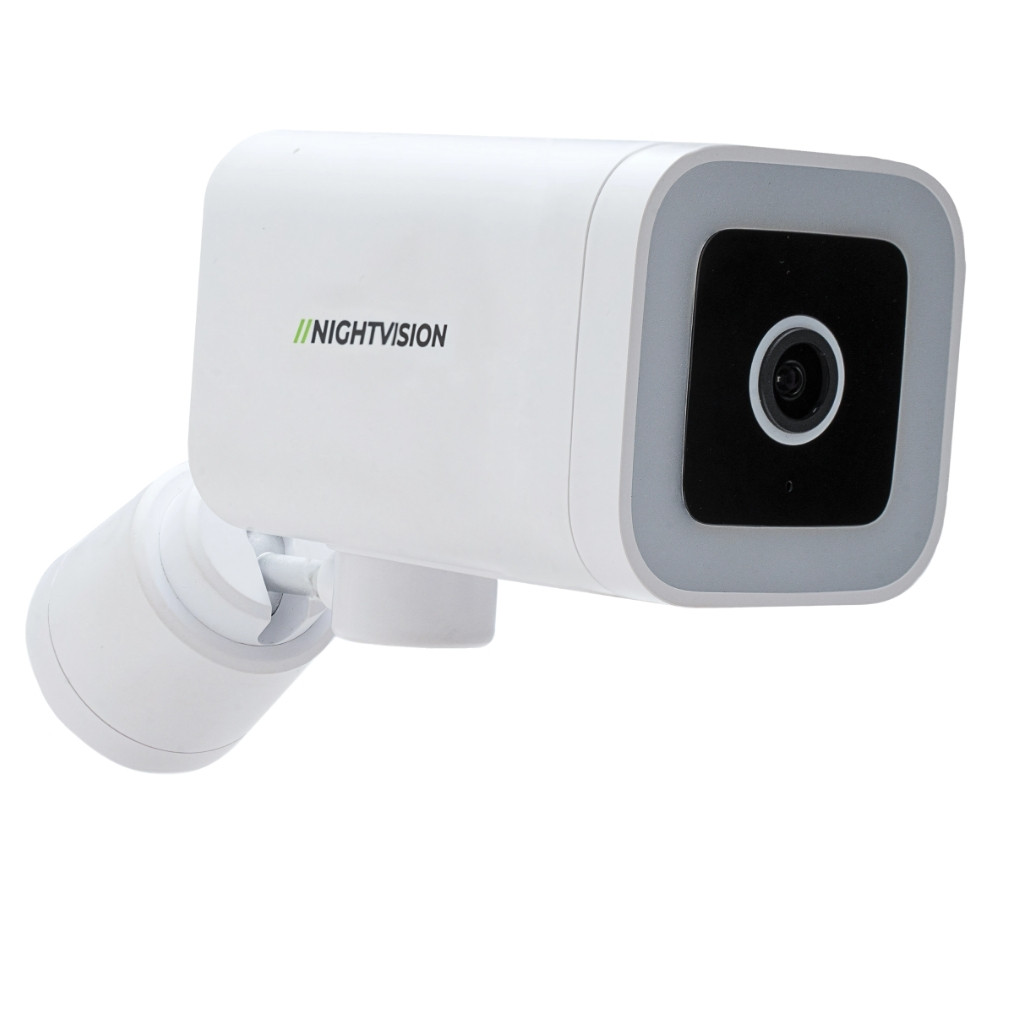
All in all, the CCTV camera range is somewhat variable, which is determined by a wide range of factors. While a single factor can provide you with a fixed viewing range, a good CCTV camera has multiple features that interact with each other to extend or enhance the viewing range. Furthermore, you also need to note that a higher range does not always mean a better camera, as you might require a camera that has a lower range but a higher field of view. The good news here is that there are many CCTV cameras in Nepal that provide you with a perfect balance of range and viewing angle. Some of the best CCTV cameras with optimal viewing range in Nepal are:
| Camera | Price In NPR |
| Ratri G11 CCTV Camera | 7,990 |
| T5P- Ratri Bullet Outdoor Wi-Fi CCTV Camera | 7,499 |
| Y1-Ratri Done Indoor Wi-Fi CCTV Camera | 5,999 |
| CCTV Netra V6Z Camera | 4,999 |
| F7-Netra Indoor PT Wi-Fi CCTV Camera | 4,499 |
| CCTV Netra S8 Camera | 3,199 |
Conclusion
CCTV cameras have come a long way from just providing you with simple footage at close distance. Now we have cameras for a wide range of viewing angles. While aspects such as resolution and recording durations are relatively easier to know, recording distance is a bit harder. There are many factors that affect the viewing range of the CCTV camera, so determining an exact range can be a bit tough. However, we can provide you with an average range which lies somewhere between 9 to 30 meters or 30 to 100 feet. That said, you do have to note that some cameras do provide you with an extended range.
In this blog, we provided you with a brief insight into the CCTV camera range and provided you with a general answer to the question of how far a security camera can see. We hope you found this helpful. If you seek further insights into the various aspects of CCTV cameras, do check out some of our other blogs. And if you want the best CCTV camera in Nepal, look no further than Night Vision – the best manufacturer of CCTV cameras in Nepal. Thank you for reading till the end.
FAQs On CCTV Camera Range
1. How far does a typical CCTV camera have a viewing distance?
The zoom range of most CCTVs lies between 9 to 30 meters or 30 to 100 feet. High-end CCTVs or those equipped with zoom lenses can go beyond this range. It is noted that any object observed beyond the zoom range becomes blurry, hence difficult to recognize.
2. What factors affect the visual range of a CCTV camera?
The range of vision is affected by image resolution, type of camera, focal length, zoom, lighting, and environmental factors such as fog and dust. Higher image resolution cameras, as well as increased focal lengths, allow for greater range vision. Night vision will also affect range vision during nighttime or low-light settings.
3. What is the role of focal length in CCTV camera coverage?
Focal length determines both the area a camera can cover and the level of detail captured. Cameras with shorter focal lengths offer wide coverage but not much detail when far away, while those with higher focal lengths have narrower coverage and more detail for determining faces or objects. A proper focal length setup is necessary for effective surveillance of your area.
4. How does Night Vision impact the range of CCTV cameras?
Night vision capabilities enable cameras to record video in low-light or nighttime environments via infrared (IR) LEDs or low-light sensors. Typical infrared night vision range is smaller compared to video recorded during daylight. Enhanced color night vision or low-light technology may offer better visibility; however, range clarity is restricted compared to recording video under daylight.
5. Is a greater range always an advantage for a CCTV camera?
Not necessarily. A camera with a longer range may cover distant objects but might have a narrower field of view. The ideal CCTV camera balances range, field of view, resolution, and features based on the area and purpose of surveillance.
Related Articles
Night Vision
FOR ADVANCED SURVEILLANCE FOR YOUR HOME OR OFFICE
